
Bumper Vehicle History Reports
Bumper, LLCAuto & Vehicles
2.6226.00 Reviews
- Version
- 10.0.54
- Installs
- 100.00K
- Age Rating
- Everyone
Screenshots
Our Review of Bumper Vehicle History Reports
 Analysis by Appyee
When I’m considering a used car, I want more than a seller’s assurance that it has been looked after. I need a practical way to check its past before I spend time arranging an inspection or negotiating a price. Bumper Vehicle History Reports is aimed at that moment: it’s an Auto & Vehicles app from Bumper, LLC for looking into a vehicle you own or might buy. I see it as a useful first check, not a substitute for seeing the car and having it inspected.
Before the first search: set expectations
The app is free to install, with in-app purchases listed at $13.99 to $38.99 per item, so I would check the purchase terms in the app before starting a search. That matters if you’re browsing several cars and assume every report will be included at no extra cost. A free download doesn’t mean every report is free, and I wouldn’t enter payment details until I understood what a particular purchase covers.
The practical question is whether you have enough vehicle information to make a useful search. A seller’s listing, a conversation by phone, or a visit to the car may give you a VIN or license plate number. I’d ask for the VIN before travelling to see a promising vehicle: it gives me a clear identifier to use and lets me investigate the specific car rather than relying on a model name or a vague description.
The app has an Everyone content rating and is listed for devices running Android 7.0 or later. Its current version is 10.0.36, and it has been available since October 25, 2020. Those details make it easier to judge basic compatibility, but what matters more in practice is approaching the report as one source of evidence. A clean-looking summary can’t tell me how a car feels on the road or whether a seller’s explanation makes sense.
Getting Started with Bumper
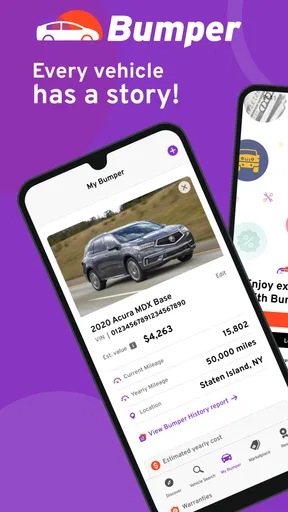
So, I downloaded the Bumper Vehicle History Reports app on a whim after hearing a friend rave about it. The first thing I noticed was how sleek the interface is—clean, intuitive, and user-friendly. Signing up was a breeze, and before I knew it, I was ready to dive into the world of vehicle history.
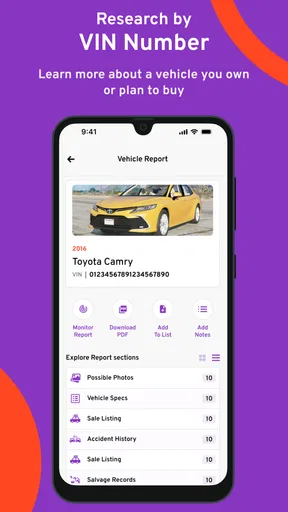
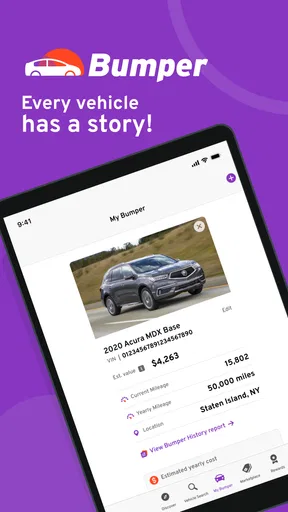
Once inside, you're greeted with a straightforward dashboard that lets you input a vehicle’s VIN or license plate number. The app works its magic and fetches a comprehensive report that includes everything from accident history to recalls and even market value. It's like peeling back the layers of a car's life story.
From search to a decision
For me, the report is most useful when I read it before I become attached to a car. I’d search while I’m still comparing listings, then note which points need follow-up rather than treating the report as a yes-or-no verdict. A history detail can give me a specific question to ask the seller; a missing or unclear detail is a reason to verify things elsewhere, not proof that nothing happened.
Imagine I find a used car that looks right in the photos and fits my budget. Before arranging a long drive to view it, I enter the vehicle identifier and check the report for information that could change my plans. If the history raises a concern, I can ask the seller for an explanation first. If it looks promising, I still arrange an in-person inspection and test drive. That sequence saves effort without pretending an app can inspect a car for me.
There’s also a useful handoff between the report and the people involved in a purchase. I’d keep the vehicle details and any questions together, then bring them to the seller or a mechanic. For example, if a report points me toward a possible past issue, I can ask whether there are repair records and have an independent mechanic focus on that area. The report helps make the conversation more concrete; the seller’s documents and a professional inspection help establish what the car is like now.
Features That Stand Out
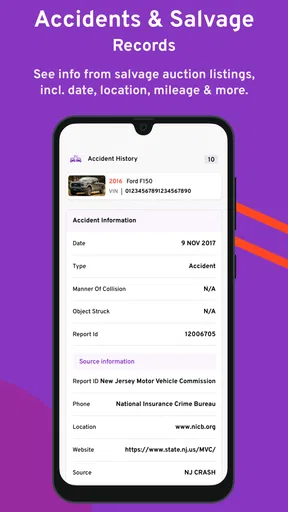
One of the standout features for me is the accident history section. It’s detailed and provides insights into any damage the car might have sustained. This is crucial for anyone trying to avoid potential pitfalls down the road. It also highlights any past auction sales, which can be a goldmine of information about the car’s worth and condition.
That information is a prompt for careful questions, not a complete account of a vehicle’s condition. I wouldn’t assume that every past repair is visible in a report, or that a listed event tells me how well the car was fixed. The useful move is to connect a report entry to something I can check: ask about paperwork, compare the seller’s description with the history, and have a mechanic inspect the relevant parts before I commit.
Another nifty feature is the theft records check. Knowing if a vehicle has ever been reported stolen is a huge relief, especially when you’re making a significant investment. The app covers this with ease, giving you peace of mind.
I’d treat a theft-record result as one part of due diligence rather than a guarantee about ownership or title. When a car is close to purchase, I’d still make sure the paperwork matches the vehicle and confirm that the seller can legally complete the sale. That extra step is especially sensible when the deal feels rushed or the documents and the seller’s story don’t line up.
Let’s not forget the recall information. The app keeps you in the loop about any past recalls and whether they’ve been addressed. It’s like having an insider tip about any lurking issues that could affect your purchase decision.
For a recall that matters to a car I’m considering, I’d ask the seller for evidence of completed work and verify the status through an appropriate source before buying. A report can point me toward a question; it doesn’t replace confirmation from the people who carried out the repair. This is a good example of where the app can make a viewing more focused without taking the mechanic’s role.
Using it alongside other checks
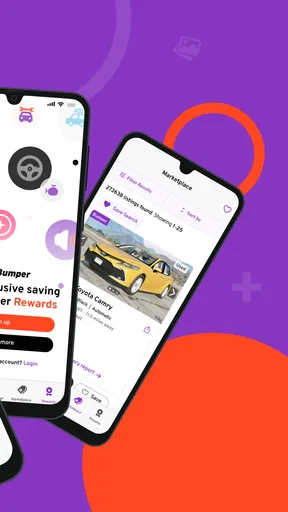
Compared with searching general web results or relying only on a seller’s listing, a vehicle-history app gives me a more focused place to investigate a particular car. Bumper’s emphasis on market values, theft records, and vehicle history makes it a convenient starting point when I’m comparing candidates. But it serves a different purpose from a mechanic’s inspection, official paperwork checks, or a test drive, and I wouldn’t choose one instead of the others.
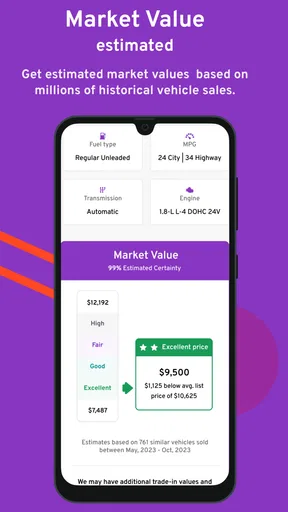
Market-value information is most helpful to me as context for a conversation, not as a final price recommendation. A car’s condition, equipment, location, and the details of the sale can all affect what feels fair. I’d compare the app’s value information with similar vehicles and then consider what an inspection reveals. If the asking price seems low, I’d look for a reason rather than assume I’ve found a bargain.
If I’m only curious about a car I already own, the app may help me look into its history, but I’d weigh the cost of a report against the specific question I’m trying to answer. If I’m shopping seriously, checking several candidates could be more useful, though I’d first make sure the purchase options fit my budget. Someone who only wants basic advice on maintenance may be better served by a mechanic or the vehicle’s manual; someone who needs a comprehensive physical assessment should book an inspection.
The User Experience
Using the app is as smooth as butter. I found myself effortlessly navigating through the features, and I must say, the speed at which it pulls up reports is impressive. You get all the information you need in a matter of seconds, which is perfect for anyone like me who has little patience for waiting.
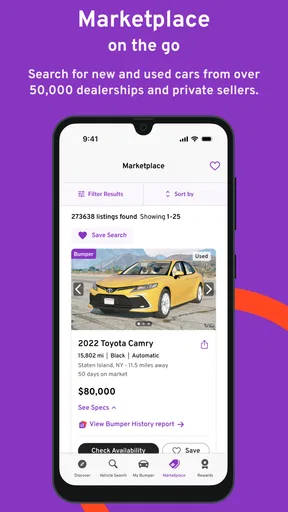
What I appreciate most is the app’s ability to store multiple reports. This is a lifesaver for those of us who like to compare different vehicles before making a choice. You can easily pull up your saved reports and weigh your options without having to re-enter any details.
That comparison is particularly handy when I’m deciding which car deserves a viewing. I’d make a short note beside each report—such as a question to ask, a record to verify, or a point for the mechanic to inspect—so I don’t confuse one car’s history with another. It turns saved reports into a shortlist rather than a pile of information, and helps me spend time on the candidates that still make sense after the first check.
There is still a human step between reading a report and buying a car. I need to confirm that the identifier I searched belongs to the vehicle in front of me, because a report for the wrong car is worse than no report at all. I’d compare the VIN on the vehicle with the details I entered, and pause if the seller can’t provide a matching identifier or gives me a reason not to check it.
Where the process can fall short
The app’s average rating is 2.6 from 411 ratings, with 219 written reviews, and it has over 100,000 installs. I take that mixed reception as a reason to keep my expectations measured: the idea is useful, but not every person will find the experience or the report worthwhile. I would avoid making a last-minute purchase decision depend on a single search, and I’d keep enough time to follow up on anything that needs clarification.
The biggest trade-off is that a report can only help with information it can present; it cannot tell me everything about the car’s present mechanical health. A vehicle can look reassuring on paper and still need costly work, while an item in its history may have been properly repaired. That is why I wouldn’t use the app to skip a test drive, an independent inspection, or a conversation about service records.
Cost is another point to consider if I’m looking at multiple cars. With purchases ranging from $13.99 to $38.99 per item, I’d decide how many vehicles are serious contenders before paying and check the terms shown for the report I want. If I’m casually browsing without a particular vehicle in mind, I might wait; if I’ve narrowed the choice to a car I’m genuinely considering, the report may be easier to justify as one part of the buying process.
Why You Should Consider Bumper
If you’re someone who values transparency and wants to make an informed decision when buying a used car, this app is a must-have. It goes beyond just providing data; it empowers you with the knowledge you need to avoid potential pitfalls and make a smart purchase.
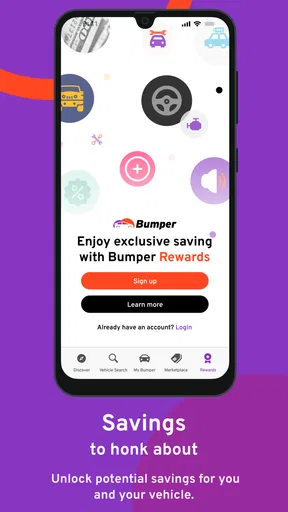
The app’s subscription model also offers great value. You get unlimited access to reports for a flat fee, which is a steal considering the depth of information provided. It’s like having a personal car consultant without breaking the bank.
In today’s market, where every detail counts, having an app like Bumper in your arsenal is invaluable. It takes the guesswork out of buying a used car and gives you the confidence to make the right choice.
So, if you're in the market for a used car or just want to learn more about a vehicle's history, give Bumper Vehicle History Reports a try. It’s a small investment for a wealth of information, and who doesn’t love feeling like a savvy car buyer?
Verdict
Strengths of Bumper Vehicle History Reports
- Comprehensive vehicle history reports.
- Easy-to-use, intuitive interface.
- Quick report generation.
- Affordable pricing options.
- Access to accident and repair data.
Limitations of Bumper Vehicle History Reports
- Limited international data coverage.
- Occasional data inaccuracies.
- Requires internet connection.
- No free trial available.
- Limited customer support hours.
Similar Picks in This Category
View All
Android Auto
Google LLC4.1

maxim — order a taxi & food
PT. SITO4.7

Штрафы ГИБДД: проверка с фото
Pays LLC – Штрафы ГИБДД4.7

Номерограм – проверка авто
Авто Ассист4.8

Дром Авто
Дром4.9

Frequently Asked Questions
What information does Bumper Vehicle History Reports provide?
Bumper Vehicle History Reports offers comprehensive details about a vehicle's past, including accident history, ownership changes, title issues, and service records. This information is crucial for anyone looking to purchase a used vehicle as it helps assess potential risks and ensures transparency in the vehicle's background.
How accurate and reliable are the reports from Bumper Vehicle History Reports?
The reports generated by Bumper Vehicle History Reports are sourced from reputable databases, providing accurate and up-to-date information. While no report can guarantee 100% accuracy due to potential delays in data reporting, Bumper strives to maintain high reliability by continuously updating its data sources.
Is Bumper Vehicle History Reports easy to use for first-time users?
Yes, Bumper Vehicle History Reports is designed with user-friendliness in mind. The interface is intuitive, guiding users step-by-step through the process of obtaining a report. Even those unfamiliar with vehicle history checks will find the app straightforward and easy to navigate.
What are the costs associated with using Bumper Vehicle History Reports?
Bumper Vehicle History Reports offers various pricing plans to suit different needs, including single reports and subscription options. While the app provides great value for its comprehensive data, users should review the pricing structure to choose the plan that best fits their requirements.
Is customer support available if I encounter issues with Bumper Vehicle History Reports?
Yes, Bumper Vehicle History Reports offers customer support to assist with any questions or issues. Users can reach out via email or chat within the app. The support team is responsive and knowledgeable, ensuring that users have a smooth and trouble-free experience.
